
Industrial Case Study: Upgrading Power for Local Ag Facilities in Oshkosh, WI
How stronger electrical infrastructure helps farms, processors, and ag operations run safer, cleaner, and more efficiently
Agriculture around Oshkosh, WI is not running on yesterday’s equipment anymore. Modern ag facilities rely on grain handling systems, dryers, conveyors, pumps, ventilation, refrigeration, automated controls, LED lighting, backup power, and data-connected equipment that all depend on stable, properly sized electrical systems.
That is where industrial electrical work matters.
For farms, ag processors, machine shops, and rural facilities near Oshkosh, a weak electrical setup is more than an inconvenience. It can slow production, create safety risks, overload equipment, and turn small problems into expensive downtime. Ebert Electric provides industrial and agricultural electrical solutions throughout Omro, Oshkosh, New London, and Northeast Wisconsin, including machinery wiring, motor hookups, control panels, VFDs, disconnects, grain elevator and dryer system wiring, service upgrades, power balancing, high-bay lighting, generator connections, surge protection, and emergency troubleshooting.
The project scenario: an ag facility preparing for higher demand
Picture a growing ag facility outside Oshkosh. The operation has expanded over time, adding new equipment as production needs changed. A dryer was added one year. More grain handling equipment came later. Lighting was upgraded in one building but not another. A few dedicated circuits were installed as needed. The system worked, but it was patched together.
That is common in ag facilities. Growth happens in phases.
The warning signs usually show up gradually:
- Breakers start tripping during peak operating windows.
- Motors struggle during startup.
- Older panels become crowded or poorly labeled.
- Operators avoid running certain equipment at the same time.
- Lighting is inconsistent in work areas, bins, shops, or loading zones.
- The facility starts relying on workarounds instead of a clean electrical plan.
For an Oshkosh-area ag operation, that is the point where an electrical upgrade stops being optional. It becomes a production issue, a safety issue, and a long-term planning issue.
Step 1: Evaluate the existing electrical load
Before adding more equipment, the first step is understanding what the facility is already demanding from the electrical system.
A proper review looks at:
- Current service capacity
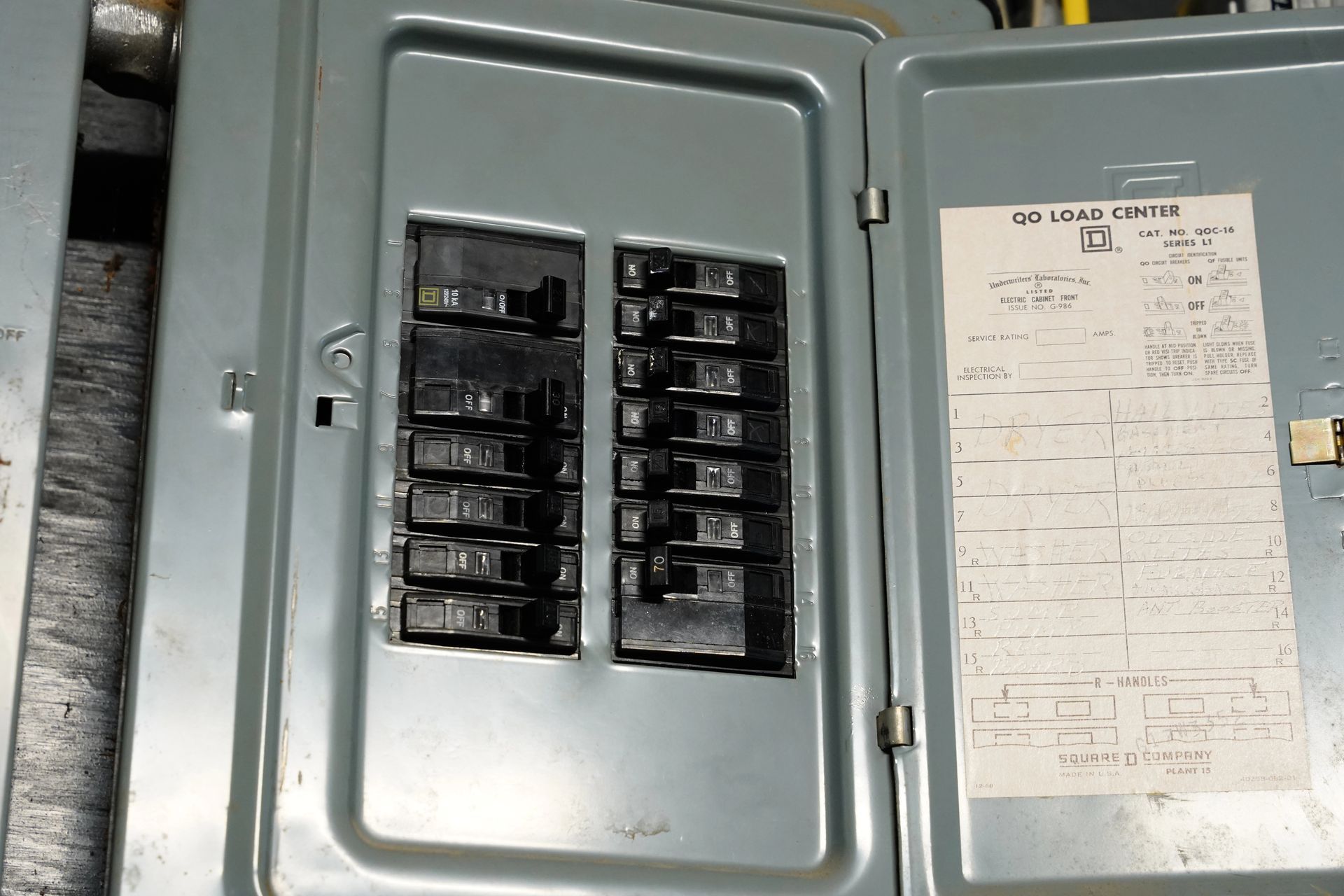
- Panel condition and available space
- Major motor loads
- Dryer and grain handling equipment
- Dedicated circuits
- Disconnect locations
- Voltage drop concerns
- Grounding and bonding
- Lighting load
- Backup power needs
- Room for future expansion
This is where an industrial electrician provides real value. The goal is not to “just add another circuit.” The goal is to make sure the facility can support the equipment safely, efficiently, and in a way that does not create new problems later.
Ebert Electric specifically supports high-demand environments such as grain elevators, farm facilities, machine shops, industrial warehouses, and agricultural operations.
Step 2: Upgrade power distribution for real-world ag use
Ag facilities often have equipment spread across multiple buildings or work zones. That makes power distribution critical.
A good upgrade may include:
- Panel upgrades
- Subpanel installation
- Dedicated equipment circuits
- Properly placed disconnects
- Service upgrades
- Power balancing
- Cleaner circuit labeling
- Conduit and wiring improvements
- Future-ready capacity planning
For the case study facility, the priority would be to separate high-demand equipment from general-use circuits and create a more organized electrical backbone. This helps reduce nuisance trips and makes troubleshooting faster when something goes wrong.
Step 3: Support motors, dryers, conveyors, and control equipment
Industrial ag operations are motor-heavy. Conveyors, augers, fans, pumps, compressors, and dryers all place heavy demands on an electrical system.
That is why equipment wiring needs to be handled correctly from the start.
For an Oshkosh-area ag facility, key upgrades may include:
- Motor wiring and hookups
- Control cabinet wiring
- Disconnect switches
- Soft starters
- Variable frequency drives
- Dryer system wiring
- Conveyor connections
- Dedicated circuits for compressors, welders, and shop equipment
VFDs and soft starters can be especially valuable in facilities with larger motors because they help improve startup control and reduce harsh electrical demand during startup. Ebert Electric lists VFDs, disconnects, soft starters, machinery wiring, motor hookups, and dryer system wiring among its industrial capabilities.
Step 4: Improve lighting for safety and productivity
Lighting is not a cosmetic upgrade in an ag facility. It affects safety, workflow, maintenance, and productivity.
Poor lighting makes it harder to inspect equipment, load materials, read labels, operate machinery, and identify hazards. In shops, barns, processing spaces, and storage buildings, modern LED lighting can make a major difference.
Useful lighting upgrades include:
- High-bay LED fixtures
- Exterior security lighting
- Loading-area lighting
- Motion-controlled lighting in low-use spaces
- Task lighting near maintenance areas
- Emergency lighting where appropriate
- Energy-efficient upgrades for long operating hours
Ebert Electric provides high-bay lighting and energy-efficient upgrades for industrial environments, and commercial lighting services include LED retrofits and exterior security lighting.
Step 5: Plan for backup power and surge protection
Ag operations are vulnerable when power becomes unreliable. A short outage can interrupt drying, ventilation, controls, refrigeration, pumps, security systems, and production schedules.
Backup power and surge protection should be part of the planning conversation, especially for facilities with sensitive controls or critical equipment.
Important upgrades may include:
- Generator connections
- Transfer switch planning
- Surge protection
- Dedicated power for controls
- Protection for panels and automation systems
- Emergency troubleshooting access
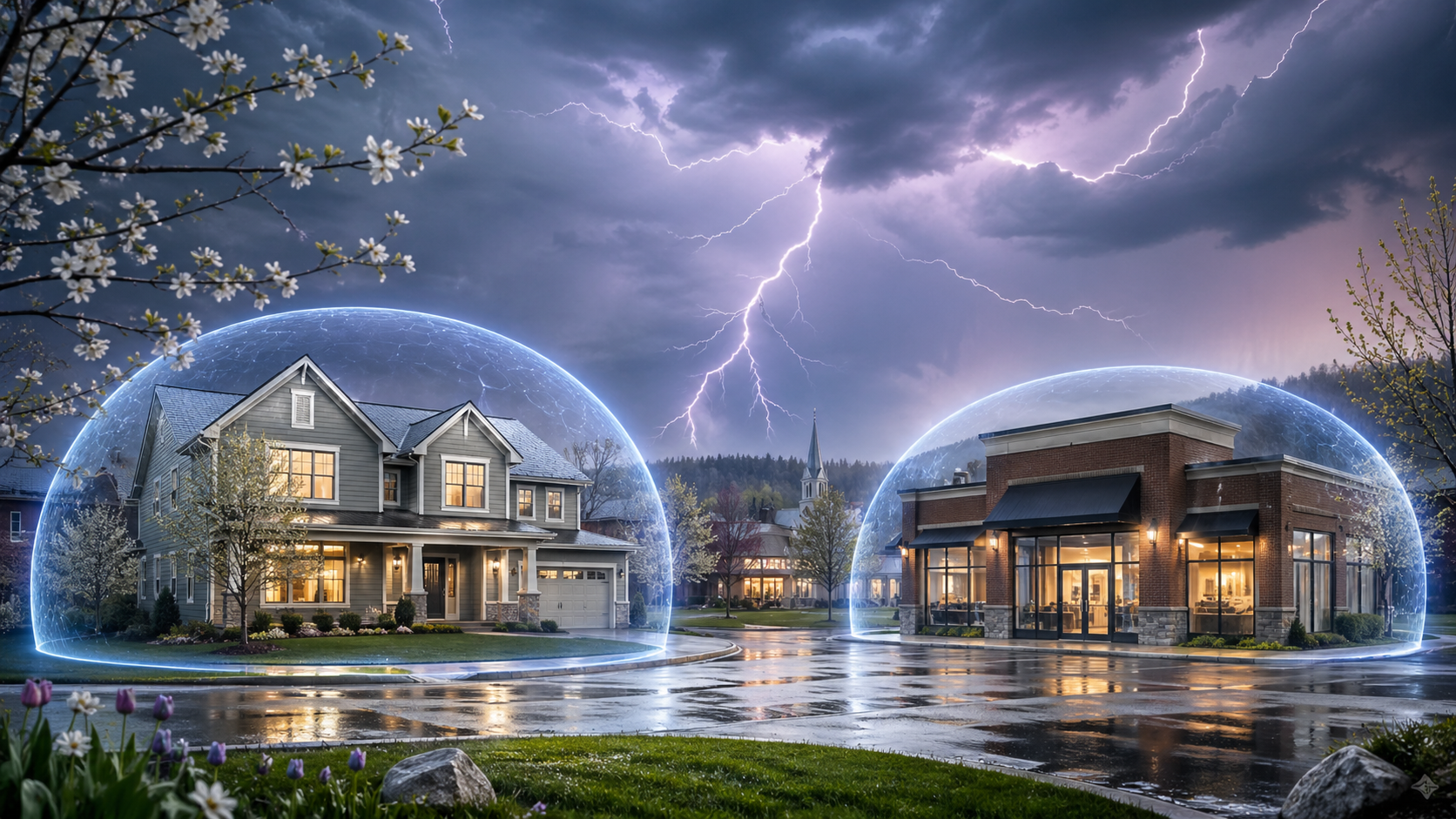
This is especially important during Wisconsin storm season, when lightning, utility interruptions, and power spikes can damage sensitive equipment. Ebert Electric lists generator connections, surge protection, emergency troubleshooting, and maintenance as part of its industrial electrical services.
Step 6: Build for future expansion
A common mistake in ag electrical work is solving only today’s problem.
That approach usually leads to more patchwork later.
A smarter upgrade considers what the facility may add next:
- More grain handling capacity
- Additional dryers
- Larger motors
- Expanded shop space
- Refrigeration or processing equipment
- New lighting zones
- Security cameras
- Automation controls
- EV or fleet charging
- Backup power
- Office or employee areas
A clean electrical upgrade gives the facility room to grow without constantly reworking the same infrastructure.
Why Oshkosh-area ag facilities should not wait
Oshkosh sits in a practical service area for ag, industrial, and commercial facilities across Northeast Wisconsin. Ebert Electric’s service area includes Oshkosh, Appleton, Green Bay, Shawano, New London, Neenah, Menasha, Waupaca, Clintonville, and surrounding communities.
For farms and ag operations near Oshkosh, timing matters. Waiting until harvest pressure, production demand, or equipment failure exposes an electrical problem is the expensive way to handle it.
The better move is to schedule a review before the busy season or before adding equipment.
Signs your ag facility may need a power upgrade
Your facility may be ready for an industrial electrical upgrade if you notice:
- Breakers tripping during equipment startup
- Motors running hot or struggling to start
- Panels that are full, outdated, or poorly labeled
- Frequent electrical troubleshooting
- Lights dimming when equipment starts
- Extension cords used as semi-permanent power
- Equipment added without a full load review
- No clear plan for backup power
- Aging disconnects, panels, or wiring
- Production delays tied to electrical limitations
Those are not small annoyances. They are early warnings that your electrical system may be falling behind your operation.
Stronger power for stronger ag operations
For Oshkosh-area farms, grain facilities, ag processors, shops, and rural industrial properties, electrical infrastructure needs to be built for real operating conditions. That means proper service capacity, clean power distribution, safe equipment wiring, strong lighting, surge protection, and room for future growth.
Ebert Electric helps agricultural and industrial facilities across Northeast Wisconsin upgrade power systems with safety, reliability, and workmanship in mind. The company serves residential, commercial, and industrial clients and is positioned for work across Oshkosh and the surrounding region.